
Our Veterinary Blog
At Coronado Veterinary Hospital, we want to help you stay informed about your pet’s care and have access to useful tips and info about their health. Through our vet blog, we hope to answer some general questions and give you insight into the world of veterinary care. Our blog will be updated regularly, so stay tuned for our upcoming topics!

Locally Owned Vet Practice vs. Corporate Vet: Why Coronado Pet Owners Are Choosing to Stay Local When you’re choosing a veterinarian in Coronado, you’re making a decision that’s about more than convenience or location. You’re choosing who will know your pet over years, who will make decisions about their care, and whether the practice you…

Heatstroke in Pets: Recognizing the Signs Before It’s Too Late in Coronado Heatstroke — hyperthermia severe enough to cause organ damage — can develop in a dog in under 30 minutes under the right conditions, and it can kill within hours without treatment. The challenge is that the early signs look like ordinary tiredness, and…
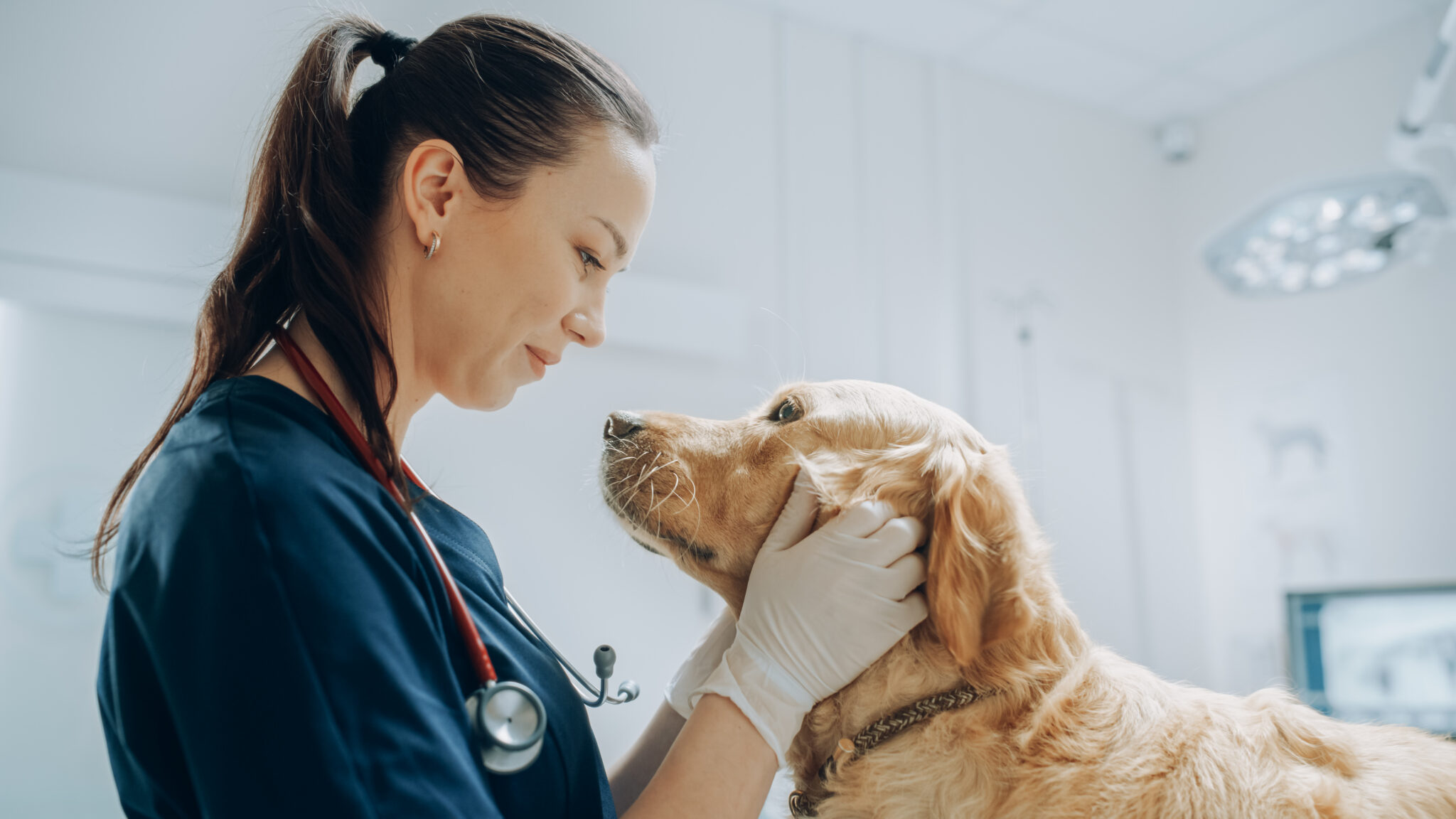
Signs Your Pet Needs Same-Day Veterinary Care (Don’t Wait on These) The hardest veterinary triage decisions aren’t the obvious ones. A pet who has collapsed goes to the emergency clinic — no one debates that. A pet who vomited once and is playing normally can be monitored at home — most owners get that right…

My Dog Ate Something on the Beach — When to Call the Vet Immediately The most dangerous thing about beach ingestion emergencies is the window between eating and symptoms. Some of the most serious hazards a dog can encounter on a Coronado beach — toxic algae, certain fish, xylitol-containing food, and some plants — cause…

Urgent Care vs. Emergency Vet vs. Your Regular Vet — What’s the Difference in Coronado? When your pet is sick or injured, the first decision you face isn’t what’s wrong — it’s where to go. Your regular vet, an urgent care facility, and a 24-hour emergency animal hospital are three different types of practices designed…
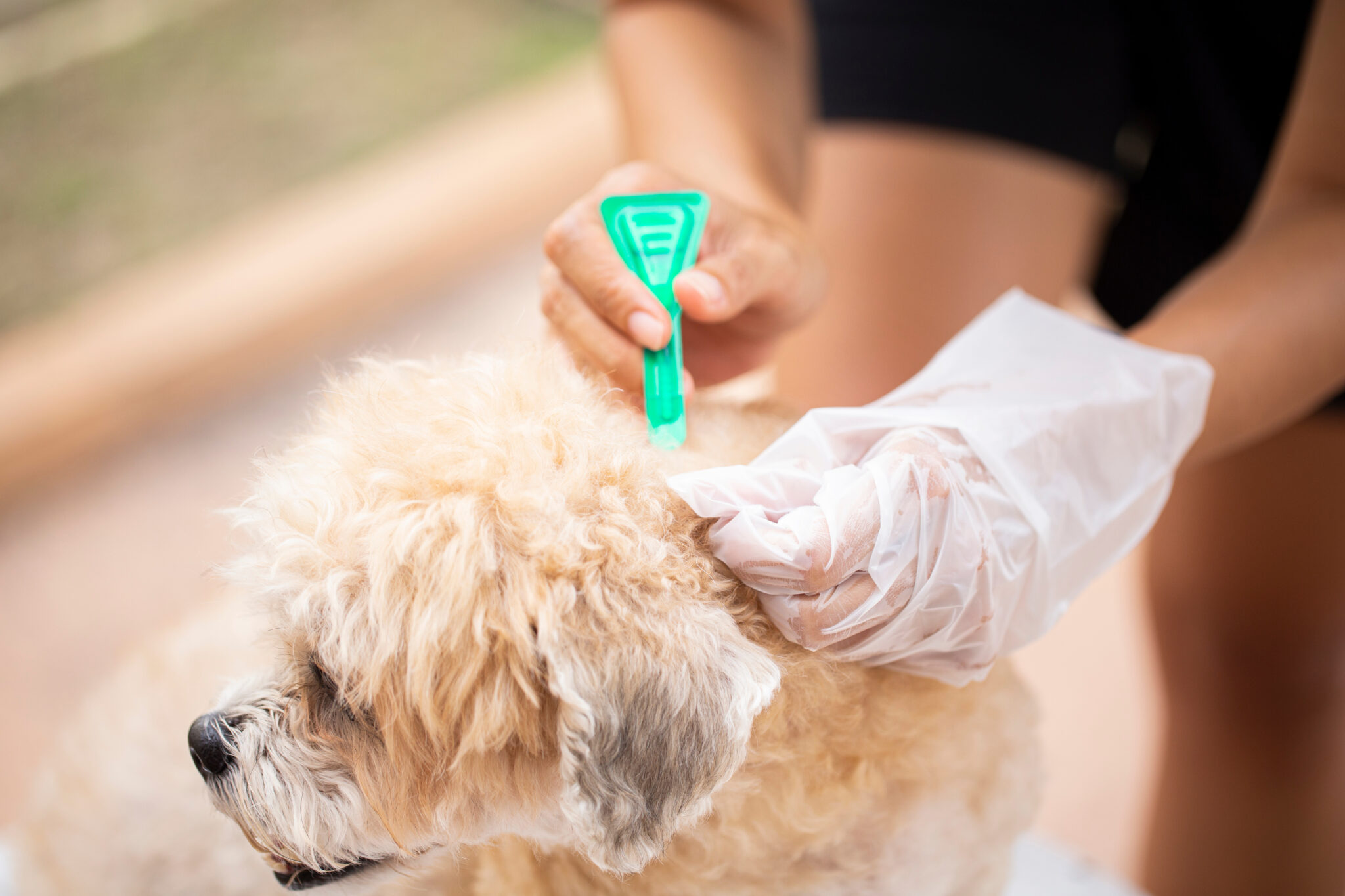
Flea Prevention Year-Round — Why Coronado’s Climate Means No Off Season In most of the country, winter kills fleas. Sustained temperatures below 37°F break the flea lifecycle, populations collapse, and pet owners get a natural reprieve from infestation risk for several months each year. Coronado’s average winter low temperature hovers around 50°F — well above…
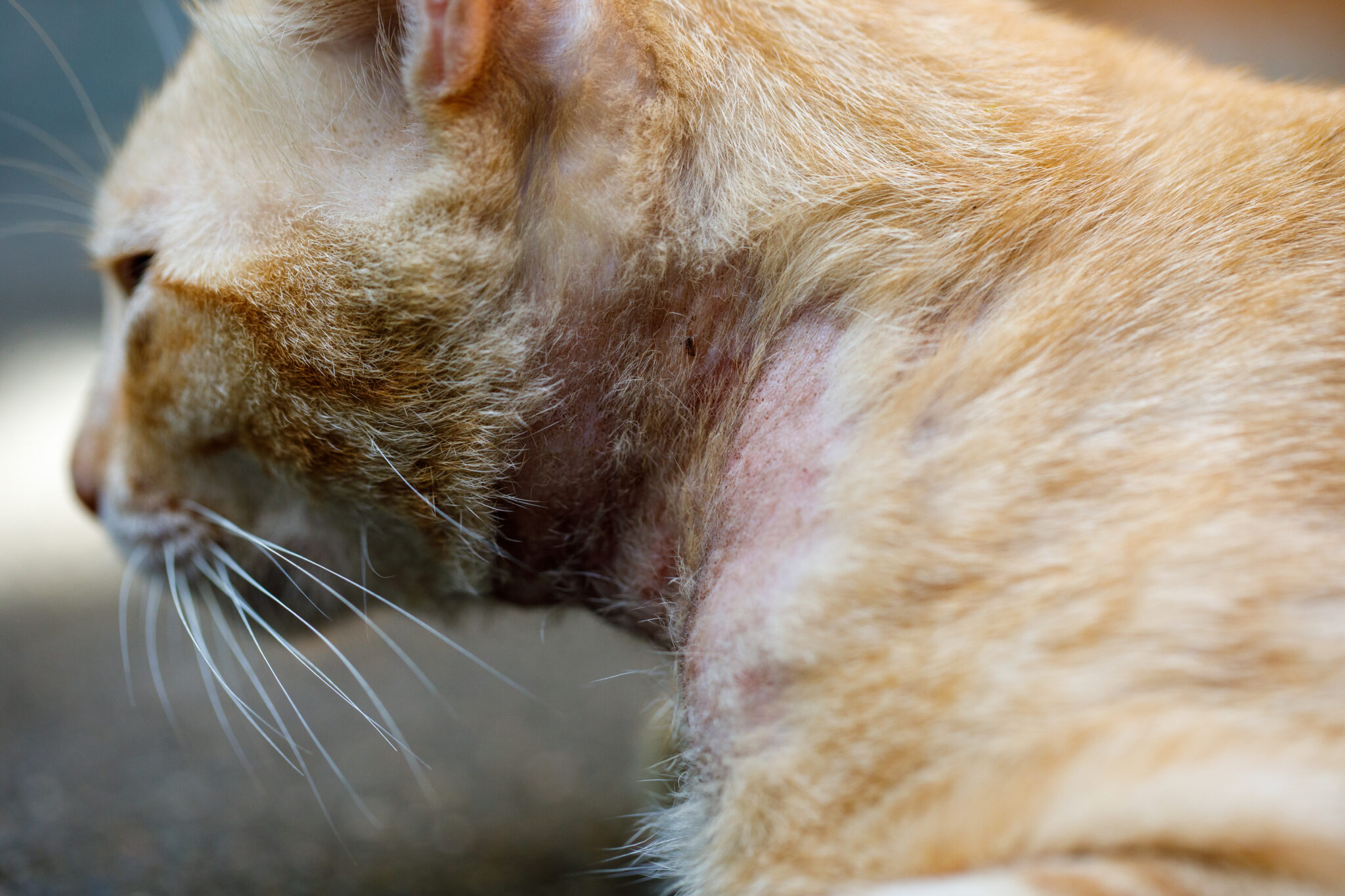
Why Does My Cat Have Scabs? Skin Problems in Indoor vs. Outdoor Coastal Cats Scabs on a cat almost always mean one of two things: the cat is reacting to something, or the cat is hurting themselves in response to something that itches or causes discomfort. Cats don’t scratch the way dogs do — they…

Dog Scratching and Losing Hair — Allergies or Something More? Scratching is one thing. Scratching combined with hair loss is another — and the distinction matters clinically. Hair loss tells your veterinarian things that scratching alone doesn’t: how long the problem has been building, whether the skin barrier has been compromised, whether a secondary infection…

Why Is My Pet So Itchy? Allergies, Salt Air, and Skin Issues in Dogs and Cats Itching is the most common dermatological complaint in dogs and cats, the combination of marine air, year-round mild temperatures, and a thriving flea population gives local pets more to contend with than most. The underlying cause of your pet’s…

Caring for Your Pet When You’re Deployed: A Guide for Coronado Military Families Deployment brings a specific kind of worry that has nothing to do with the mission — it’s the quiet concern about who’s watching the dog, whether your cat will be okay, and what happens if something goes wrong while you’re twelve time…