
Cat and Dog Spay, Neuter, and General Surgery in Coronado, CA
Even when surgery is routine, it may not feel routine when it’s your pet. Coronado Veterinary Hospital provides cat and dog spays, neuters, and general surgery for pets in Coronado, CA, with a team ready to answer your questions and help you feel more comfortable with the next steps.
Whether your pet needs a planned spay or neuter, a lump removed, or surgery for an illness or injury, we’ll walk you through the recommendation, explain what to expect, and help you prepare for recovery at home. You’ll have clear information and people you can turn to throughout your pet’s care.
Questions about surgery for your pet? Give us a call at (619) 435-6281 or book a consultation online.
Meet the Surgeon:
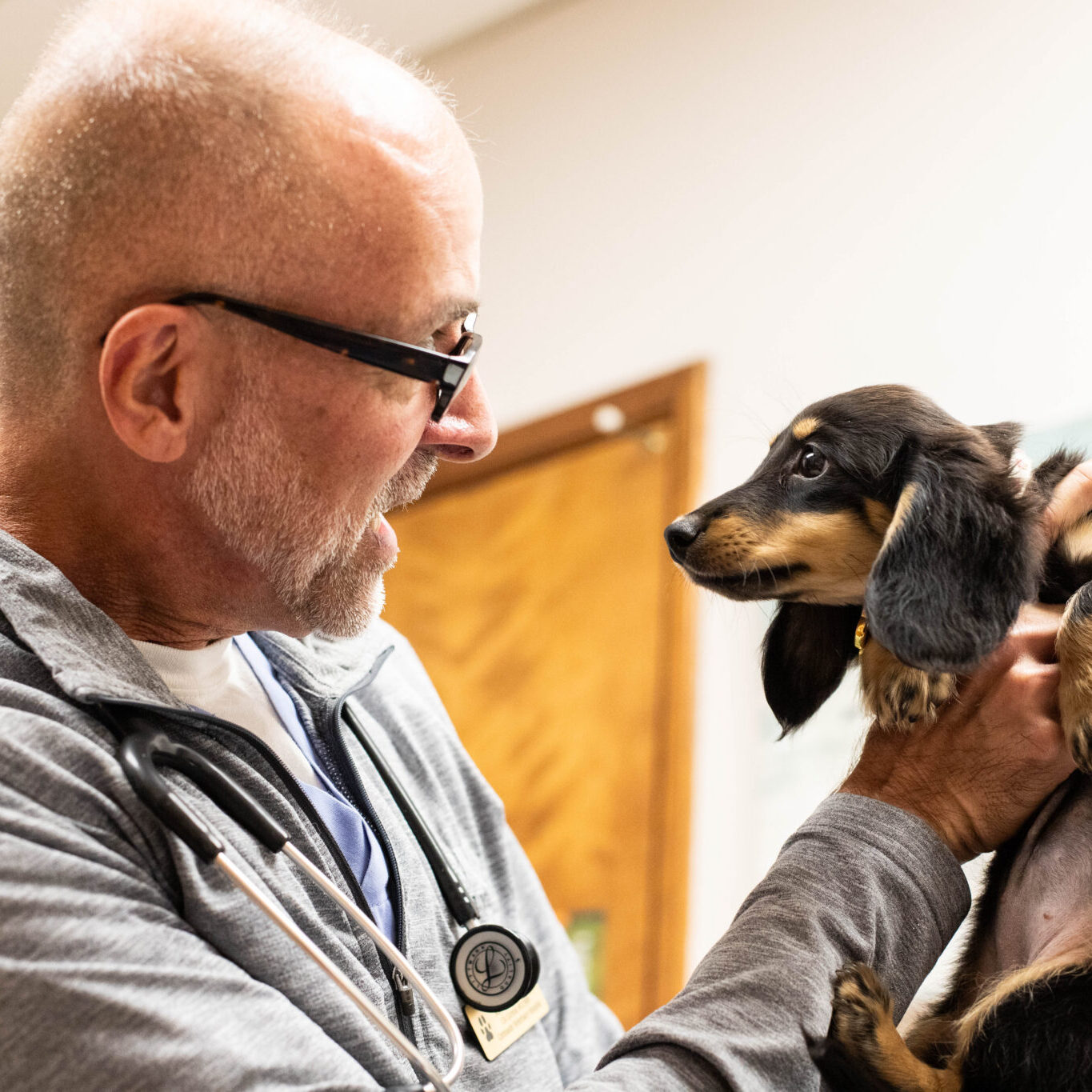
Dr. Cammarata, DVM
Our Spay & Neuter Expert
Putting your pet under anesthesia can feel daunting, but when your furry family member is with Dr. Cammarata, they are in the best possible hands.
An elite Cornell University graduate, Dr. Cammarata brings world-class Ivy League training and exceptional surgical precision to our operating room. While highly skilled in a wide range of procedures, he serves as our clinic’s premier spay and neuter expert.
Dr. Cammarata specializes in advanced, efficient techniques designed to minimize anesthesia time and ensure a smaller incision. For your pet, that means a safer procedure and a much faster, more comfortable recovery.

When Might My Pet Need Surgery?

Your pet may need surgery to prevent pregnancy, remove a growth, treat an injury, or address a condition that other treatments cannot resolve. Our veterinarians will examine your pet and recommend testing when needed to help you decide how to move forward.
Schedule a visit if you notice:
- A new lump or a growth that changes in size or appearance
- Difficulty chewing or signs of mouth pain
- An irritated eye or an eyelid that rolls inward
- Persistent limping or trouble moving comfortably
- Repeated vomiting or concern that your pet swallowed an object
- Straining to urinate or changes in bathroom habits
These signs don’t always mean surgery is necessary, but they give us a reason to take a closer look. Getting answers early can help keep a problem from becoming more difficult to treat. If your pet cannot pass urine, seek emergency veterinary care immediately.
Pet Surgeries We Offer in Coronado, CA
Our animal hospital is equipped to provide most surgeries for dogs and cats, including:
- Soft-Tissue Surgery: We handle a range of conditions that require soft-tissue surgery, from mass removals to abdominal surgeries.
- Orthopedic Surgery: We have board-certified surgeons come in to address bone, joint, and muscle issues, helping your pet move comfortably again.
- Dental Surgery: Our comprehensive dental services aim to improve your pet's oral health and overall well-being.
- Ophthalmic Surgery: We provide treatments for eye conditions including entropion and cherry eye.
- Foreign Body Removal: This involves the safe removal of ingested or embedded foreign objects in your pet’s GI tract.
Our doctors are skilled in a wide variety of surgical procedures. If your pet requires more specialized surgery we can call on board-certified surgeons to come to our hospital to perform the operation. You and your pet don't have to travel to a different facility for medical services and in most cases, the cost is much less.
What Are the Benefits of Spaying and Neutering?
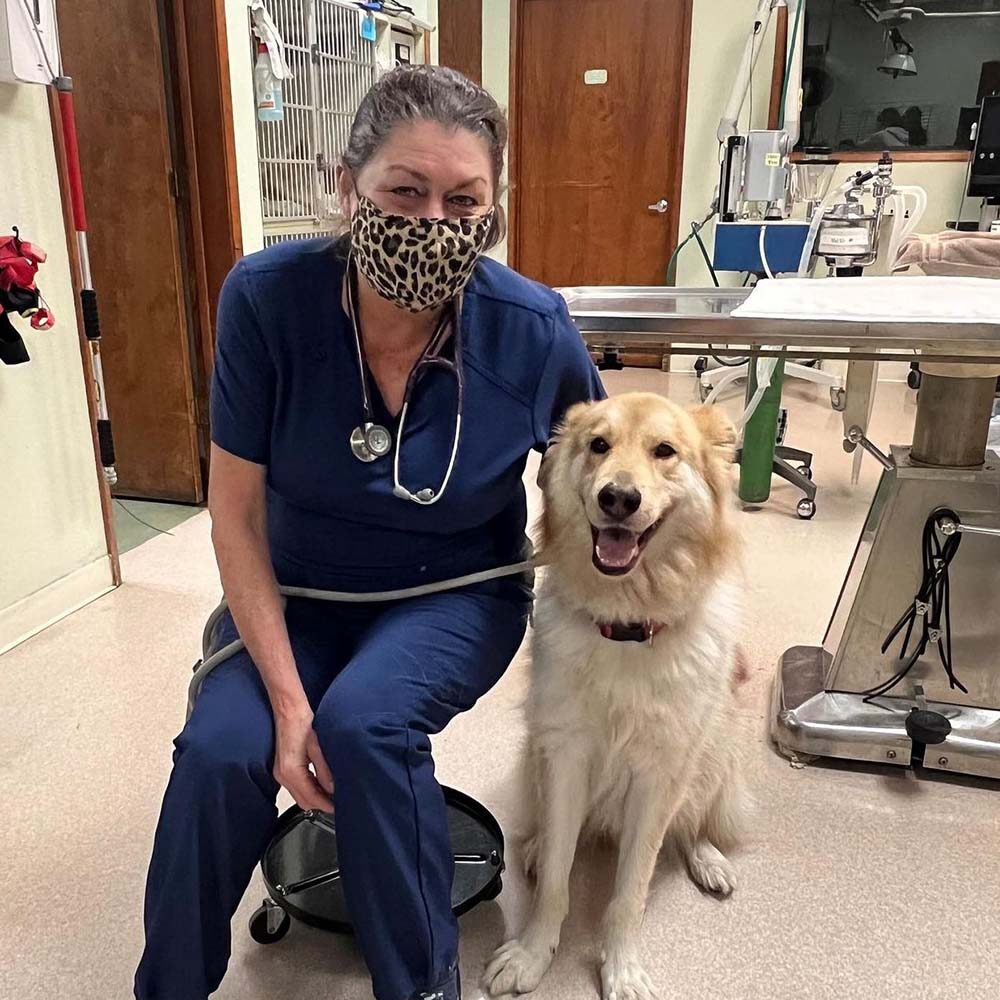
Spaying and neutering prevent unplanned litters and can reduce certain reproductive health risks. Spaying removes the ovaries, with or without the uterus, while neutering typically means removing the testicles.
These procedures may also reduce hormone-related behaviors such as roaming and urine marking. They won’t change every behavior, though, and our veterinarians will help you know what to expect.
If you’re unsure when to schedule your pet’s procedure, that’s a good conversation to have with us. Your pet’s species, breed, age, size, and health all play a role in choosing the right timing.
How Does Laparoscopic Surgery Benefit My Pet?
Coronado Veterinary Hospital offers laparoscopic, or keyhole, surgery for appropriate patients and procedures. Through small incisions, our veterinarians use a camera and surgical instruments to see and work inside the abdomen.
For some procedures, including certain spays, this approach may reduce tissue handling and discomfort after surgery compared with an open approach. We’ll explain whether laparoscopy makes sense for your pet and what their recovery would involve.
Smaller incisions still need time to heal, so your pet will need to follow the activity restrictions our team recommends.
What Cat and Dog Surgeries Do We Offer?
Our Coronado animal hospital provides a range of surgical services for dogs and cats, from planned procedures to treatment for problems that need more immediate attention.
Our services include:
- Spays and neuters: Procedures to prevent reproduction and treat certain reproductive conditions.
- Soft tissue surgery: Mass removals, bladder surgery, and other abdominal procedures.
- Orthopedic surgery: Procedures performed by visiting board-certified surgeons to address certain bone and joint conditions.
- Dental surgery: Treatment for painful or damaged teeth and other oral health problems.
- Eye surgery: Treatment for conditions such as entropion, an inward-rolling eyelid, and cherry eye.
- Foreign body removal: Surgery to remove swallowed objects from the stomach or intestines when needed.
For selected procedures, we can arrange for a board-certified surgeon to perform your pet’s operation right here at our hospital. We’ll discuss whether on-site care or a referral offers the appropriate support for your pet.
How Do We Care for Your Pet During Surgery?
We plan your pet’s anesthesia around their individual health needs and monitor them throughout surgery and early recovery. While you wait for an update, our veterinary team stays focused on your pet’s comfort and changing needs.
Before Surgery: Getting to Know Your Pet’s Health
We begin with a physical examination and pre-anesthetic blood testing. These findings, along with your pet’s medical history, help our veterinarians identify concerns and create an individual anesthesia plan.
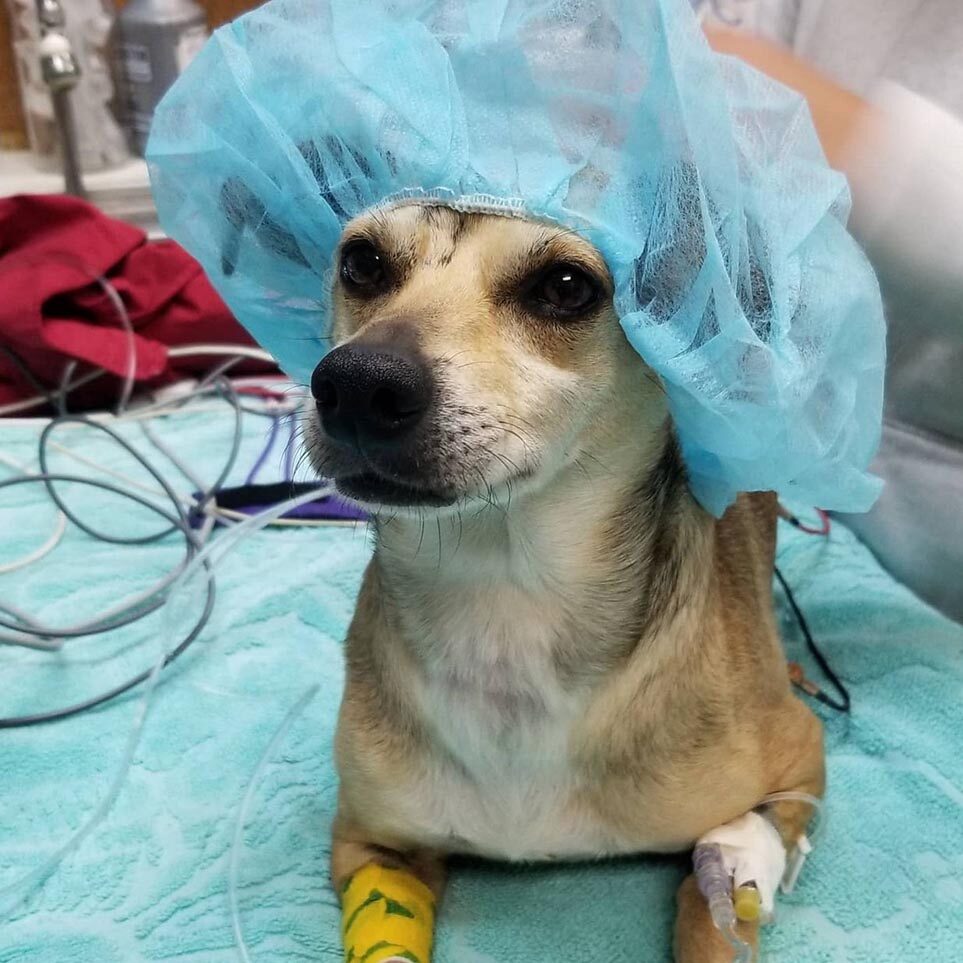
We also place an IV catheter and provide IV fluids during anesthesia. The catheter gives our team access to administer medications when needed.
During Surgery: Keeping a Close Watch
A veterinary technician monitors your pet during anesthesia. We record heart rate, breathing rate, heart rhythm, blood pressure, and blood oxygen levels every five minutes so we can identify changes and respond promptly.
Our anesthesia equipment includes a ventilator to assist breathing when needed. A surgical warming blanket helps maintain your pet’s body temperature throughout the procedure.
Anesthesia carries some risk for every patient. The examination, testing, individual planning, and monitoring help our team manage those risks.
After Surgery: Staying Close as Your Pet Wakes Up
Our care continues as your pet wakes from anesthesia. A veterinary technician monitors their recovery and provides support as they become more alert.
We know you’ll be waiting for news. We’ll call when your pet is awake and talk with you about the next steps, including when they may be ready to go home.
What Will My Pet Need at Home After Surgery?
Your pet will need rest and care that matches their procedure. Before you leave, we’ll walk through the recovery instructions with you, including medications, incision care, activity restrictions, and follow-up visits.
Depending on the surgery, those instructions may include:
- Setting up a quiet, comfortable place to rest
- Limiting running, jumping, and rough play
- Using a recovery collar or other recommended incision protection
- Keeping the incision clean and dry
- Giving prescribed medications as directed
- Following individual feeding instructions
Once you’re home, you can contact us with questions about your pet’s recovery. Let us know if you notice increasing redness or swelling, discharge, an opening in the incision, repeated vomiting, or discomfort that does not improve with prescribed medication.
If you're considering surgery for your pet or would like more information about our spay and neuter services, please contact us at (619) 435-6281 or book a consultation online.