
Staying Healthy for Life: Cat and Dog Wellness Exams in Coronado, CA
Your pet’s everyday habits tell a story, from how eagerly they greet breakfast to whether they still enjoy their usual walk. Wellness visits give us time to talk about those details and check for changes you might not see at home. Coronado Veterinary Hospital provides cat and dog wellness exams for pets in Coronado, CA and the surrounding communities, with preventive care tailored to your pet’s age, health, and daily routine.
Whether you’re bringing home a kitten or caring for a longtime companion, we’ll help you know what your pet needs now and what to plan for next.
Start or continue your pet’s wellness journey. Call us at (619) 435-6281 or click below to request an appointment!

When Does My Dog or Cat Need a Wellness Exam?
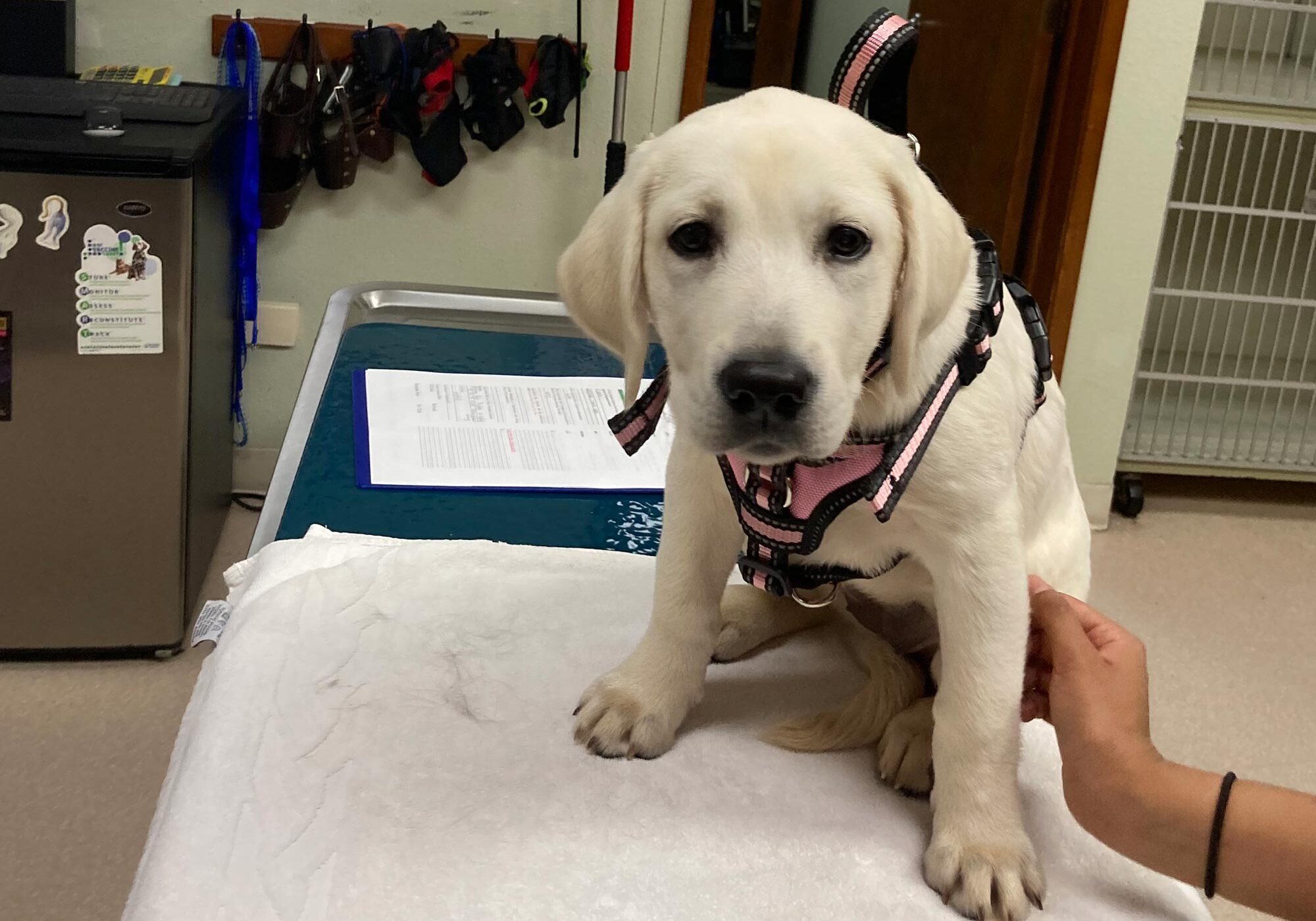
Most adult dogs and cats should have a wellness exam at least once a year, even when they seem healthy. Puppies and kittens need a series of visits as they grow, while senior pets benefit from exams every six months. Your veterinarian may recommend more frequent checkups if your pet has an ongoing medical condition.
Schedule a wellness visit when your pet:
- Is due for their annual or senior checkup
- Has recently joined your family
- Needs their vaccination or parasite prevention plan reviewed
- Has changing nutritional needs or an increase in weight
- Is entering a new life stage
If your pet seems ill, has an injury, or develops a sudden change in behavior, call us rather than waiting for their next routine exam.
What Happens During a Pet Wellness Visit?
A wellness appointment combines a physical examination with a conversation about life at home. Your observations help your veterinarian interpret findings and recommend appropriate care.
A typical visit includes:
-
1. Reviewing your pet’s history
We discuss eating habits, activity, behavior, current care, and any concerns you’ve noticed.
-
2. Performing a physical examination
Your veterinarian checks your pet’s eyes, ears, mouth, skin, heart, lungs, abdomen, and mobility.
-
3. Assessing weight and nutrition
We evaluate body condition and discuss food, portions, and exercise.
-
4. Reviewing preventive care
We check which vaccinations, parasite prevention, and screening tests your pet may need.
-
5. Planning next steps
We explain our findings and recommendations, including any additional testing or follow-up visits.
Vaccinations and diagnostic tests depend on your pet’s individual needs; every wellness appointment does not require the same services.
How Does Wellness Care Change as My Pet Gets Older?
Your pet’s needs evolve throughout their life. We adjust wellness recommendations to support healthy development, maintain adult health, and address changes that come with aging.
What Wellness Care Do Puppies and Kittens Need?
Early appointments help us evaluate growth and build a preventive care plan. Puppy and kitten care may include physical exams, fecal testing, vaccinations, deworming, and parasite prevention.
These visits also give you a chance to ask about feeding, training, socialization, and the everyday questions that come with a new pet.
What Preventive Care Do Adult Dogs and Cats Need?
Adult wellness visits focus on maintaining health and noticing changes over time. We review nutrition, weight, dental health, vaccination needs, and parasite protection.
Your pet’s activities matter, too. Time outdoors, boarding, travel, and contact with other animals can affect preventive care recommendations.
What Should I Expect From Senior Pet Wellness Care?
Senior wellness visits focus on comfort, mobility, and changes in physical or behavioral health. We recommend checkups every six months so we can monitor your pet more closely as they age.
Tell us if your pet hesitates on stairs, sleeps differently, drinks more water, or seems less interested in familiar activities. Your veterinarian may recommend testing to investigate these changes and discuss ways to support your pet’s comfort.

What Health Concerns Can Wellness Exams Help Identify?
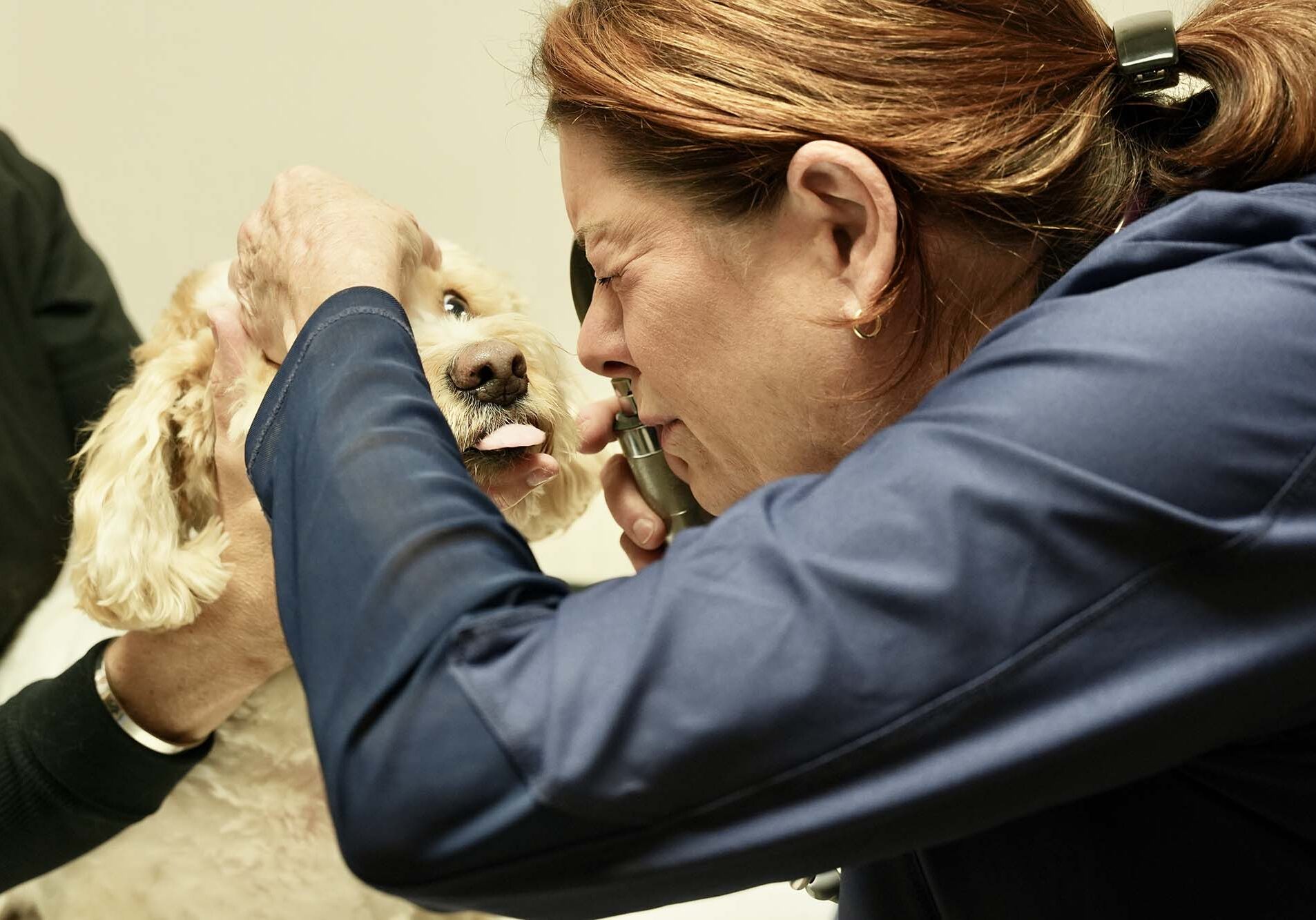
Wellness exams can reveal changes in weight, dental health, skin, ears, and mobility. They also help your veterinarian decide whether diagnostic testing could provide useful information about your pet’s internal health.
Depending on the findings, screening may help identify:
- Intestinal parasites
- Changes in kidney or liver function
- Abnormal blood cell counts
- Other concerns that may not cause noticeable symptoms early on
A physical exam cannot detect every condition. Combining your observations with examination findings and appropriate testing gives us a fuller picture of your pet’s health.
Why Is Parasite Prevention Part of Wellness Care?
Fleas, ticks, heartworms, and intestinal parasites can affect dogs and cats at any age. Wellness visits give us an opportunity to review your pet’s exposure risks and discuss suitable protection.
We tailor recommendations to your pet’s health, lifestyle, and environment. Indoor pets need a prevention plan, too, because staying inside does not eliminate every risk.
What Should I Expect After My Pet’s Wellness Visit?
After the exam, you’ll have recommendations for your pet’s preventive care and any next steps. These may include scheduling vaccinations, arranging dental care, completing testing, or returning for a recheck.
Keep track of changes in appetite, thirst, bathroom habits, activity, and behavior between appointments. Contact us if you notice something new or have questions about the care plan.
Help keep your pet in great shape throughout their life with regular preventive care. Call us at (619) 435-6281 or click below to request an appointment!
Frequently Asked Questions About Pet Wellness Care
Yes. Routine exams help your veterinarian establish a health baseline and identify changes that may not be obvious at home. They also keep your pet’s preventive care plan current.
Vaccinations are given when your pet is due and when they are appropriate for their health and exposure risks. Your veterinarian will review their records and recommend a schedule.
Yes. Indoor cats can develop dental disease, weight changes, and other health concerns. Regular visits also give you a chance to discuss nutrition, behavior, and parasite prevention.
Bring available veterinary records and a list of your pet’s food, supplements, medications, and parasite preventives. Write down any questions or changes you’ve noticed, and ask our team whether you should bring a fresh stool sample.
Ask our team before withholding food. Many routine visits do not require fasting, but instructions may differ if your pet needs certain tests. Follow the preparation guidance provided for your appointment.